Source Electric Towel Rack for Bathroom, Hotel, and Bedroom
Compare 30 electric towel rack options featuring carbon fiber heating, wall-mounted designs, and customizable finishes. Buyers can evaluate power ratings, voltage compatibility, and certifications like CE and RoHS for household or hotel applications; compare the available evidence and request quotations based on your requirements.
Key considerations
Products List




Comprehensive Sourcing Guide
Electric Towel Rack Sourcing Guide
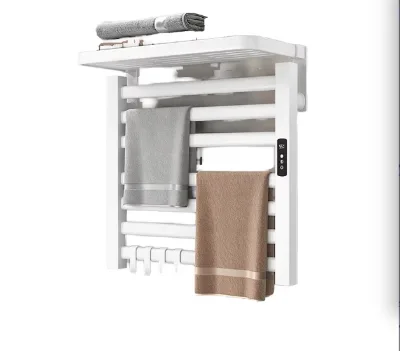
Sourcing electric towel racks requires a careful balance between aesthetic integration and functional performance, particularly for hospitality and residential bathroom projects. Buyers must first define the primary use case, whether it is for rapid drying in high-turnover hotel environments or ambient heating in luxury residential suites. The market offers diverse configurations, including double towel bars and robe hooks, often constructed from stainless steel or metal racks to ensure durability against humid conditions. Understanding the specific heating method, such as carbon fiber technology, is essential for selecting units that provide consistent, safe warmth without excessive energy consumption.
Procurement teams should also evaluate the installation requirements and physical dimensions to ensure compatibility with existing bathroom infrastructure. Many models are wall-mounted and designed to fit standard spaces, with dimensions like 50x15.8x63cm or 55x90x10cm being common observations. It is critical to verify the voltage and frequency specifications, as these vary by region, with 220-240V and 50-60Hz being typical for many international markets. Confirming these electrical parameters early in the sourcing process prevents costly retrofitting or compatibility issues during the final installation phase.
Product Scope and Observed Listing Signals
The current market landscape for electric towel racks presents a wide variety of options, with observed price ranges spanning from approximately $5 to $202 USD. This broad spectrum reflects differences in material quality, heating element sophistication, and additional smart features. Minimum order quantities (MOQs) also vary significantly, ranging from single units for sample testing to 500 units for bulk commercial orders. Buyers should analyze these signals to determine whether they are sourcing for small-scale renovations or large-scale hospitality deployments, as the unit economics and logistical requirements will differ substantially between these two scenarios.
Product listings frequently highlight customization capabilities, including OEM and ODM services, which allow brands to tailor designs to their specific identity. Features such as LCD displays, WiFi connectivity, and adjustable thermostats are becoming more common, adding value for tech-savvy consumers. However, buyers must distinguish between standard models and those with advanced controls, as the latter often command higher prices and may require more complex installation procedures. Observing the packaging types, from simple boxes to gift boxes, also provides insight into the target market segment and the expected retail presentation of the final product.
Technical Specifications to Verify
When evaluating technical specifications, the heating element type is a primary consideration, with carbon fiber heating wires being a prevalent and efficient choice. Buyers should verify the power output, which can range from 66W to 2000W depending on the model size and intended use. Higher wattage units, such as those rated at 1500W or 2000W, provide faster heating but require robust electrical circuits. It is also important to check the temperature stability, with many units maintaining a consistent surface temperature around 55±3°C to ensure safety and comfort without risking burns or excessive energy waste.
Electrical safety and environmental resistance are equally critical technical factors. The IP rating, often observed as IPX4, indicates protection against water splashes, which is essential for bathroom environments. Buyers must confirm the voltage compatibility, ensuring it matches the local grid, typically 220V-240V at 50-60Hz. Additionally, the physical dimensions and mounting style, such as wall-mounted installations, must be verified against the available space. The presence of features like overheat protection and adjustable thermostats adds a layer of safety and user control that should be prioritized in high-traffic areas.
Compliance and Safety Documentation
Compliance with international safety standards is non-negotiable for electric towel racks, particularly when selling in regulated markets like Europe or North America. Buyers should request documentation for certifications such as CE, GS, LVD, EMC, and RoHS, which demonstrate adherence to electrical safety, electromagnetic compatibility, and environmental restrictions. These certifications are often listed alongside specific product models, indicating that the manufacturer has undergone rigorous testing. Verifying these documents ensures that the products meet the legal requirements for import and sale, reducing the risk of customs delays or legal liabilities.
Energy efficiency standards, such as ERP, are also becoming increasingly important for procurement decisions. Buyers should verify that the products comply with relevant energy labeling regulations, which can impact the marketability of the final product. Additionally, certifications like BSCI may be relevant for brands focused on ethical supply chain practices. It is crucial to ensure that the certification documents are current and issued by recognized testing bodies. Relying on outdated or unverified certifications can lead to significant compliance issues, so due diligence in this area is essential for long-term business success.
Cost Drivers and Commercial Terms
Several factors influence the final cost of electric towel racks, including the material quality, heating technology, and level of customization. Stainless steel construction and carbon fiber heating elements typically command higher prices due to their durability and efficiency. Customization options, such as logo printing, color finishes like silver, black, or gold, and tailored packaging, also add to the unit cost. Buyers should negotiate these variables carefully, as they can significantly impact the overall project budget, especially for large orders where small per-unit differences accumulate quickly.
Commercial terms, including MOQs and lead times, play a crucial role in procurement planning. While some suppliers offer low MOQs for testing, bulk orders often require higher commitments, ranging up to 500 units. Lead times can vary based on the complexity of the order and the supplier's production capacity. Buyers should also consider the warranty period, with many suppliers offering a 3-year warranty, which provides assurance against manufacturing defects. Understanding these commercial terms helps in forecasting cash flow and managing inventory levels effectively, ensuring that the supply chain remains resilient and cost-efficient.
Supplier Qualification and Quality Control
Supplier qualification is a critical step in mitigating procurement risks, requiring a thorough assessment of the manufacturer's capabilities and track record. Buyers should verify the supplier's production facilities, focusing on their quality control processes and testing procedures. Suppliers located in key manufacturing hubs like Guangdong Province or Ningbo often have established supply chains and experienced workforces. It is advisable to request samples to evaluate the build quality, finish, and functionality of the electric towel racks before committing to large orders.
Quality control measures should include both pre-production and pre-shipment inspections. Buyers should ensure that the supplier conducts routine tests on electrical components, heating elements, and structural integrity. Documentation of these tests, along with certification reports, should be reviewed to confirm consistency. Additionally, assessing the supplier's customer service capabilities, such as 24/7 support, can be valuable for resolving any post-sale issues. Establishing a strong relationship with a qualified supplier ensures a smoother procurement process and higher product reliability.
Long-Term Procurement Checks
Long-term procurement success depends on continuous monitoring of product performance and supplier reliability. Buyers should establish key performance indicators (KPIs) to track defect rates, delivery times, and customer feedback. Regular audits of the supplier's quality management system can help identify potential issues before they escalate. Maintaining open communication with the supplier regarding any changes in materials or manufacturing processes is also essential to ensure ongoing compliance and quality.
As market trends evolve, buyers should stay informed about new technologies and regulatory changes in the electric towel rack sector. This includes updates to energy efficiency standards and safety regulations. Periodically reviewing the product portfolio and comparing it with competitor offerings can help identify opportunities for improvement or diversification. By proactively managing these long-term checks, buyers can ensure that their procurement strategy remains aligned with business goals and market demands, securing a competitive advantage in the bathroom accessories market.
FAQs
What materials are used for electric towel racks?
Stainless steel and metal racks are commonly available for electric towel heating. These materials ensure durability and resistance to corrosion in humid bathroom environments. The specific rack material is metal, while the heating element often uses carbon fiber wires for efficient warmth distribution.
How is the electric towel rack powered and controlled?
These units typically operate on 220-240V voltage with a rated frequency of 50-60Hz. Power consumption ranges from 66W to 2000W depending on the model. Advanced controls include WiFi connectivity, adjustable thermostats, and overheat protection features for safe operation.
Can I customize the size and design of the rack?
Customization is available for size, color, and logo printing on electric towel racks. Standard dimensions like 50*15.8*63cm exist, but OEM and ODM designs are welcome. Buyers can request specific finishes such as silver, black, or gold to match their interior decor.
What certifications do these electric towel racks hold?
Many models carry GS, CE, LVD, EMC, ERP, and RoHS certifications for safety compliance. Some suppliers also provide BSCI certification for ethical manufacturing standards. These documents ensure the products meet international electrical and environmental requirements for household use.
Where are these electric towel racks manufactured?
Manufacturing origins include China, specifically Guangdong Province and Ningbo. These regions host factories capable of producing various heating elements and metal structures. Buyers can source directly from these locations to access competitive pricing and established supply chains.
What is the warranty period for electric towel racks?
A standard warranty of 3 years is often provided for electric towel heating units. This coverage protects against manufacturing defects and ensures long-term reliability. Buyers should verify specific terms with the supplier to confirm the exact duration and scope of the warranty.
How are the electric towel racks packaged for shipping?
Products are typically packed in boxes, cartons, or gift boxes depending on the order. Some items use combined box packing and carton packaging for extra protection during transit. Customized packaging options are also welcome to meet specific branding or logistical requirements.